

At Callubri Station, we don’t just farm the land; we live in conversation with it. Sustainability is at the forefront of every decision. As custodians of this land for nearly 145 years, our family is honored to take care of the people and animals who call the station home. We aim to bring sustainability and balance to all areas of our operations. We are committed to managing our land and resources to ensure it is improved for generations to come.
Our Vision is based on a strong sense of responsibility to sustainably manage the land and a commitment to the future of family farming.
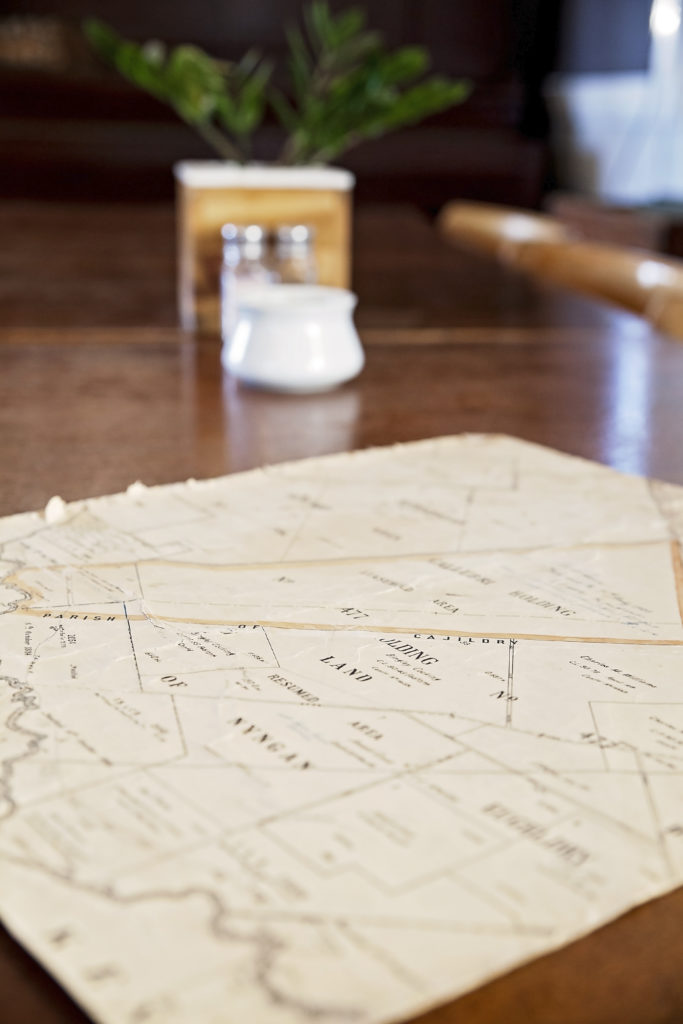


To develop a sustainable, diverse and innovative agritourism business, that reflects our individual strengths and interests whilst building a better shared understanding between primary producers and urban consumers.
our VISION
Our Sustainability Goals
We recently completed our the Strive 4 Sustainability Scorecard with the help of Ecotourism Australia and Destination NSW. The Strive 4 Sustainability Scorecard is a pathway program for any tourism business at the beginning of their sustainability journey and has been very helpful in assessing where we are in our sustainability journey and the areas we need to focus on to achieve our goals.
The Strive 4 Sustainability Scorecard measures where a business is at on their sustainability journey at a point in time against the four pillars of sustainability: environmental impacts, socio-economic impacts, cultural impacts, and sustainable management.
The criteria are based on Ecotourism Australia’s globally recognised, best practice criteria for sustainability in tourism. Scorecard responses are assessed by a trained sustainability assessor within the Ecotourism Australia team before a personalised score is provided.

The score is based on the information provided, and evidence or examples of how a business applies sustainability principles in practice helps raise the overall score.
If you are a NSW tourism business the next round of applications for funding is now open through Destination NSW so throw your hat in the ring here…
Sustainability in Tourism
Here are just a few of the sustainable practices we have in place on our station…
- The station operates entirely on filtered rainwater and uses river water for all the gardens and toilets.
- Both the homestead sites generate electricity using solar panels and produce enough to supply back onto the grid.
- All our meat is grassfed and we serve home grown lamb and local beef, pork and kangaroo. We employ a nose to tail approach to sustainably serve meat protein.
- Our catering team grows fruit, vegetables and herbs using traditional orchards, market gardens and hydroponics. Our menus are based around a strong sense of seasonality and place.
- We employ the time honored traditions and techniques of pickling, curing, dehydrating and preserving to use all parts of our produce and provide a range of flavours throughout the year.
- All our flour is produced using our own wheat on a Danish stone mill. We serve fresh hand made sourdough bread daily using a very old mother yeast maintained by our local community of women.
- All our dairy comes from a local single source supplier Little Big Dairy. Our juice is locally supplied by Mumblepeg and all our wine, beer and a number of our spirits are sourced from our local regions of Mudgee, Dubbo, Orange and Griffith.
- Our food waste makes its way into a compost facility which is fed back into our kitchen gardens each season.
- We recycle all our glass, plastic and tin regularly when we are driving 160kms to Dubbo for supplies!
Sustainability in Farming
- The farm teams employs minimum till techniques in all our cropping operations to maintain ground cover and moisture rentention.
- Our tractors use GPS to track our machinery on similar paths each time a pass is made across the crops to minimize compaction of the earth.
- We rotate our crops every six to seven years, planting back to native grasses to ensure the land is restored for grazing.


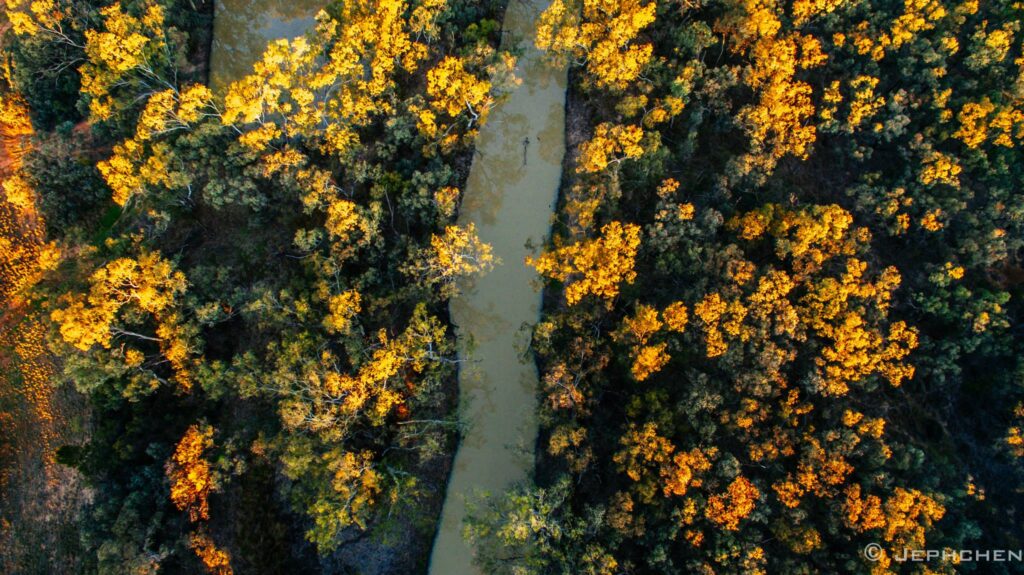
Climate Change Benefits of choosing a Station Stay
When you choose to stay at a property like Callubri Station, you are supporting:
- A farm that prioritises tree and ground cover to provide an ecological balance between modern food farming and sustainable land management
- A mixed farming operation that uses cropping and grazing enterprises to support better land management techniques
- An honest discussion between city consumers and rural producers around the impact of purchasing choices on the farm gate practices.
The future effects of climate change are a very real consideration, particularly in marginal rainfall regions of Australia, such as where our station is based.
The choices our guests make to support a tourism and farming business that prioritizes sustainability is an important step in the future of sustainable agritourism and farming in Australia.
During you time with us on the station we will encourage you to turn off lights and air conditioning when you are not in your suites. We provide recycling and compost facilities in all our dining areas. We ask guests to re-use towels and linen wherever feasible to save water usage. And of course, take an active part in understanding where each of your meals is sourced from!
Thank you for playing your part and supporting us on our sustainability journey!
What does “Regenerative Farming” actually mean in the context of a sheep station?
Regenerative farming is a visionary shift away from traditional industrial agriculture. Instead of just “sustaining” the land, we aim to actively improve it. On Callubri, this looks like rotational grazing—moving our Merino mobs frequently to mimic the natural movement of native herbivores. This allows our saltbush and native grasses time to recover and set seed, which in turn draws carbon back into the soil, retains more water, and creates a resilient landscape that can better withstand the Australian drought cycles.
How does your wool production align with “Sustainable Travel” values?
We believe that true luxury should be ethical. Our Merino wool is a 100% natural, renewable, and biodegradable fibre. By focusing on animal welfare and land health, we produce a premium product that is “slow fashion” at its finest. Guests can visit our 145-year-old Woolshed to see the process firsthand and understand how our commitment to the Five Freedoms of animal welfare ensures our sheep live a stress-free life on the open plains, resulting in some of the finest wool in the world.
Is the station “Off the Grid,” and how do you manage resources?
Living in the outback requires a deep respect for finite resources. While we enjoy modern luxuries, we are highly conscious of our footprint. We utilise solar power where possible and rely on a sophisticated water management system that captures every drop of precious rainfall. Our 12-metre mineral pool uses significantly fewer chemicals than a standard chlorinated pool, and our “paddock-to-plate” dining drastically reduces food miles by sourcing ingredients directly from our own soil or local Central West producers.
How do you protect the local Flora and Fauna on such a large working property?
Conservation is woven into our daily operations. We have dedicated “exclusion zones” and “rested paddocks” that act as wildlife corridors for native species like the Major Mitchell’s Cockatoo, Emus, and various birds of prey. By managing invasive species and encouraging the return of native perennial grasses, we’ve seen a marked increase in biodiversity. We invite our guests to participate in this through our eBird Hotspot logging, helping us document the thriving ecosystem that coexists with our Merino enterprise.
How can guests contribute to the sustainability of Callubri Station during their stay?
The most impactful thing our guests can do is “walk the land” with us. By joining Mike on a station tour, you gain a personal understanding of the challenges and triumphs of rural conservation. We also encourage a “Leave No Trace” philosophy during self-guided wanders. Simply by choosing to stay at an owner-operated, regenerative station, you are directly supporting the long-term health of the Australian outback and ensuring this 150-year family legacy continues in good environmental condition for generations to come.